Dr. Ben Wright
Ben Wright is associate professor of history and the Director of the Open US History Lab at the University of Texas at Dallas. He is a scholar of race and religion in the early United States and a practioner, theorist, and historian of the digital humanities.
He is the author or editor of five books, including Bonds of Salvation: How Christianity Inspired and Limited American Abolitionism (LSU 2020), the two-volume American Yawp: A Massively Collaborative Open History of the United States (Stanford 2019/2026), now in its second edition. His articles have appeared in outlets ranging from the American Historical Review to the Washington Post.
He is the 2026-2027 Barra Sabbatical Fellow at the McNeil Center for Early American Studies at the University of Pennsylvania, where he is finishing a history of religion in early colonial Sierra Leone and Liberia.
He is also the Lilly Religious Freedom Fellow at the George Washington Presidential Library at Mount Vernon from 2026 to 2028, where he is writing a book about how Southern Baptists created the separation of church and state.


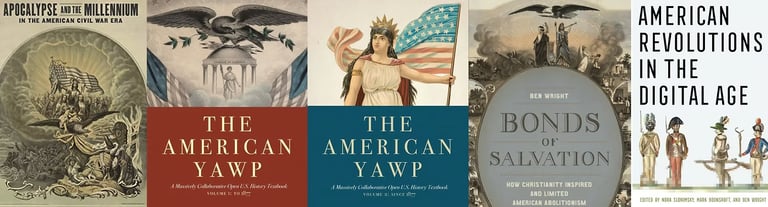
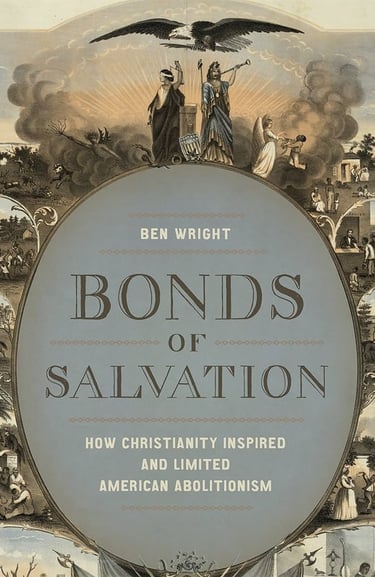
Bonds of Salvation: How Christianity Inspired and Limited American Abolitionism
Ben Wright’s Bonds of Salvation demonstrates how religion structured the possibilities and limitations of American abolitionism. His work begins with the American Revolution and ends with the schisms in the three largest Protestant denominations that sent the nation down a path culminating in secession and civil war. Historians of antislavery tracing the evolution of the movement have emphasized status anxieties, market changes, biracial cooperation, and political maneuvering as primary forces. Wright instead foregrounds the pivotal role of religion in structuring the ideological possibilities of abolitionism. Americans fretted over the spiritual welfare of the new nation, but rather than purifying particular sins like slavery, they sought to save everyone. For even those Christians who hated slavery, the only sound more harrowing than the moans of a shackled slave were the wails of a damned soul. Wright’s provocative analysis reveals that visions of salvation both created and almost destroyed the American nation.
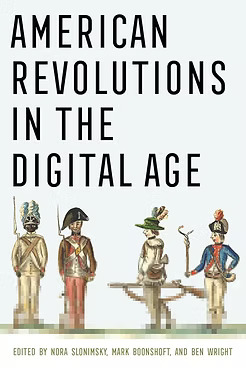
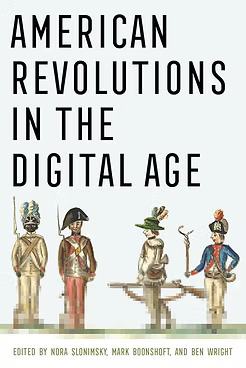
American Revolutions in the Digital Age
This volume seeks to answer two questions: How can digital technology shed light on the Age of Revolutions, and how can a deeper understanding of this historical period help us make meaning of our digital present? In fifteen chapters, leading scholars consider these two questions and what they mean for the disciplines of history, literature, computer science, Native and Indigenous Studies, Black Studies, and more. The volume is designed for researchers, public history professionals, and students. Download the free ebook here, and read our Teacher's Guide to consider how to bring the book into your classroom.
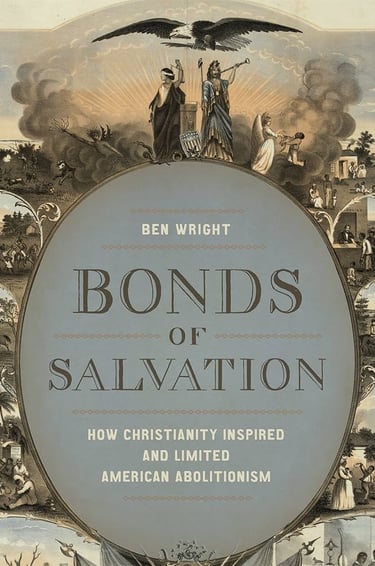
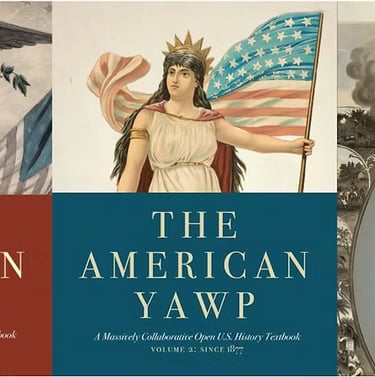
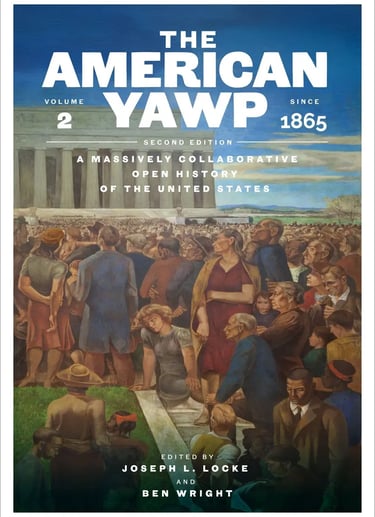
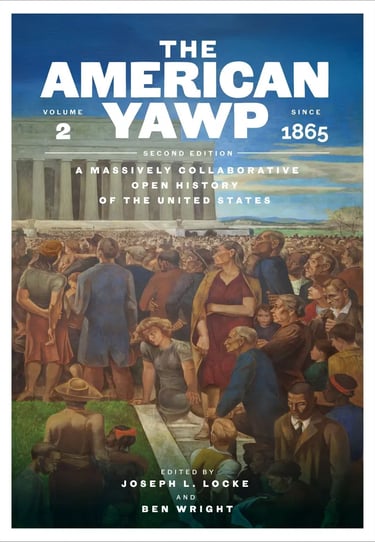
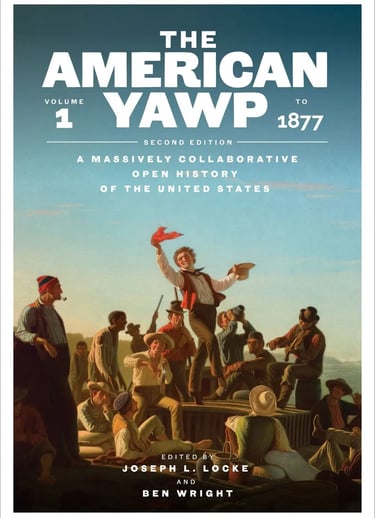
The American Yawp: A Massively Collaborative Open History of the United States
Ben Wright, along with Joseph L. Locke, is co-editor of The American Yawp, a free and online, collaboratively built American history textbook. Wright has directed the work of over five hundred historians in producing this open educational resource published online and in print by Stanford University Press.
Apocalypse and the Millennium in the American Civil War Era
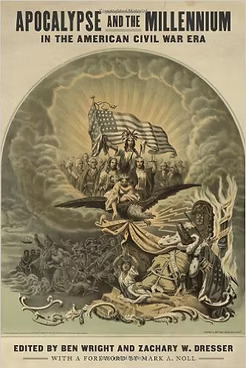
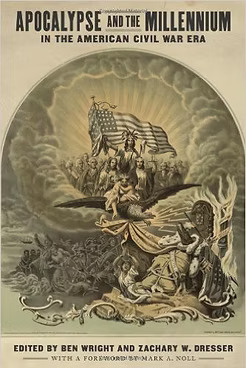
In the Civil War era, Americans nearly unanimously accepted that humans battled in a cosmic contest between good and evil and that God was directing history toward its end. The concept of God’s Providence and of millennialism—Christian anticipations of the end of the world—dominated religious thought in the nineteenth century. During the tumultuous years immediately prior to, during, and after the war, these ideas took on a greater importance as Americans struggled with the unprecedented destruction and promise of the period.